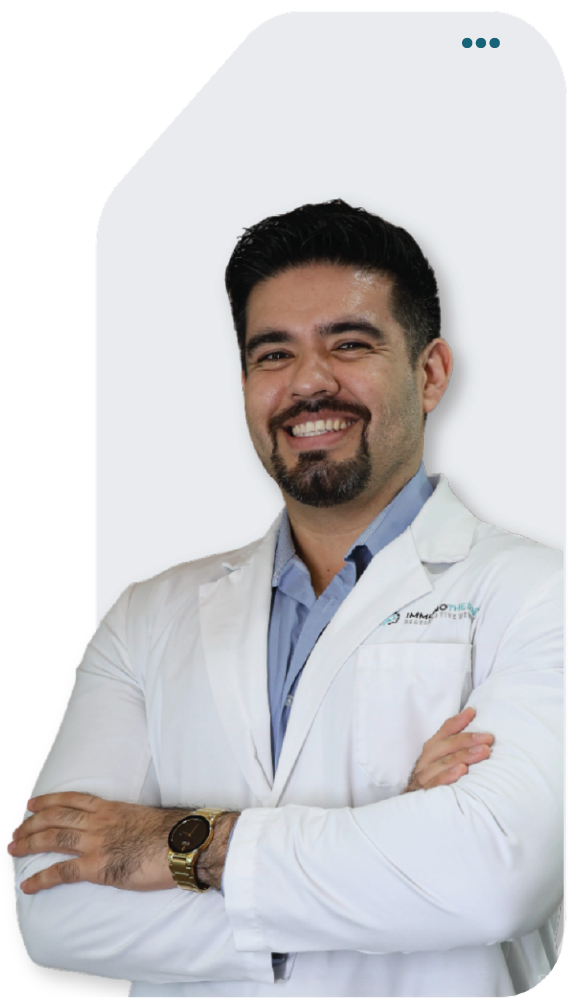

MUSE Stem Cell Therapy in Mexico: Evidence and Comparison with MSCs
Over the last few years, MUSE stem cell therapy in Mexico has gained substantial visibility in search results, social media and even celebrity-centered coverage. An increasing number of clinics present MUSE cells as a supposed “gold standard” or “next generation” of regenerative medicine for a wide spectrum of conditions.
This article examines MUSE cells from a clinical and scientific perspective. It explains what MUSE cells are, how they relate to mesenchymal stem cells (MSCs), in which human settings they are actually being studied, and which aspects of their use remain experimental or uncertain. The aim is to provide a structured, evidence-based framework for patients and clinicians who are evaluating advanced regenerative therapies in Mexico and in other international settings.

Puerto Vallarta Safest City for Regenerative Medicine
Where Safety Fuels Your Body’s Natural Repair Puerto Vallarta was recently ranked the third safest city in Mexico by INEGI’s National Urban Public Security Survey (April 2025). This distinction matters far beyond tourism: a secure environment sets the stage for your body’s own regenerative processes. When you feel safe, your mind and tissues can focus on repair—paving the way for
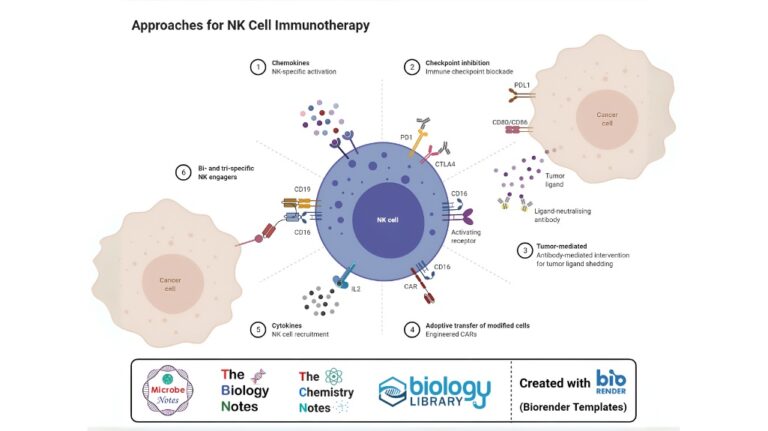
NK Cell Therapy for Cancer – Innovation That Strengthens Your Immunity
NK cell therapy harnesses your own defenses to identify and neutralize cancer cells without harming healthy tissue. At Immunotherapy Regenerative Medicine, we combine this technology with an integrative protocol that blends science, safety, and regenerative medicine under a personalized approach.
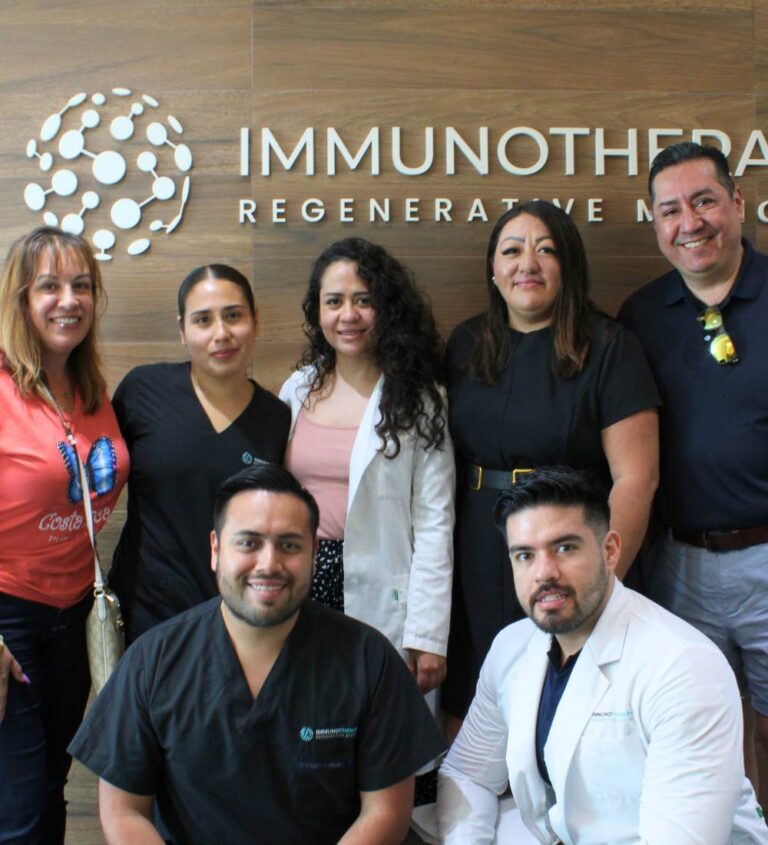
Stem Cell Therapy in Tijuana Mexico
Looking for Stem Cell Therapy in Tijuana? Discover a Higher Standard of Care in Mexico Before making a decision, it’s important to understand how clinical quality, safety standards, and treatment protocols can vary between clinics. At Immunotherapy Regenerative Medicine, patients choose a COFEPRIS-licensed, physician-led clinic in Puerto Vallarta, supported by academic collaboration and in-house laboratory capabilities, designed to deliver a
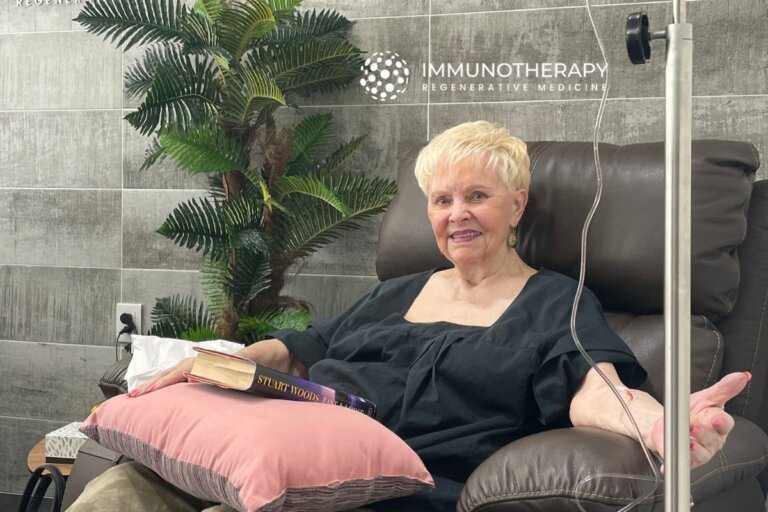
IV Vitamin Therapy
Experience the Benefits of IV Vitamin Therapy Discover the rejuvenating effects of IV Vitamin Therapy at Immunotherapy Regenerative Medicine, where each treatment is tailored to maximize your health, hydration, and energy. What is IV Vitamin Therapy? IV Vitamin Therapy is an innovative wellness treatment that delivers a blend of essential vitamins, minerals, and antioxidants directly into your bloodstream through a

Alternative Medicine in Puerto Vallarta, Mexico
Alternative Medicine in Puerto Vallarta, Mexico The field of medicine has undergone significant advancements in recent years. These improvements range from the eradication of certain diseases to the development of more effective treatments for previously incurable conditions. Advances in technology and diagnostics have led to unprecedented progress, significantly increasing the average lifespan compared to 100 years ago. The importance of
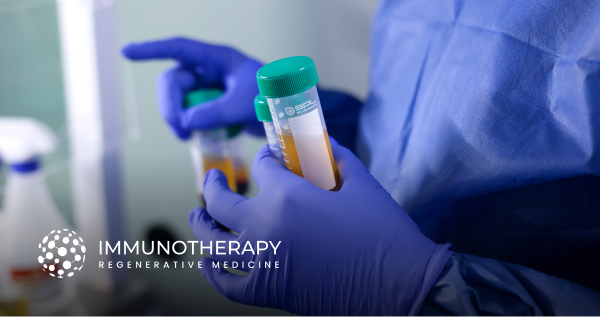
PRPB
Plasma Rich In Bioactive Proteins (PRPB) A Regenerative Medicine Designed to Harness the Full Healing Potential of Your Own Blood Unlike conventional platelet-rich plasma therapies that focus primarily on isolating platelets, our Plasma Rich In Bioactive Proteins (PRPB) is designed to preserve a broader range of naturally occurring regenerative components found within your blood. Using a specialized processing method, PRPB

Exosome Therapy in Mexico | Regenerative Medicine
Exosome Therapy in Mexico What are exosomes? Exosomes are small vesicles about 30–100 nanometers in diameter that contain proteins, lipids, and RNA secreted by cells as part of their normal process. They are involved in many biological processes, such as immune modulation, tissue repair, and cell-to-cell communication. What is the biological function of exosomes? Exosomes play an important role in
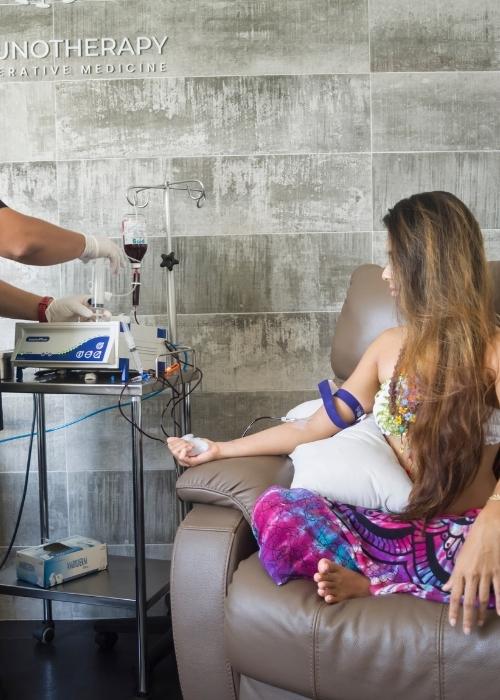
Ozone Therapy
Ozone Therapy Improve your health and well-being Ozone Therapy This procedure helps alleviate many health disorders, prevent infections, treat various diseases, and improve overall quality of life. The minimally invasive treatment uses ozone molecules to increase oxygenation levels in different tissues. Ozone therapy helps boost energy by activating the Krebs cycle at a cellular level, eliminates infectious processes, neutralizes select
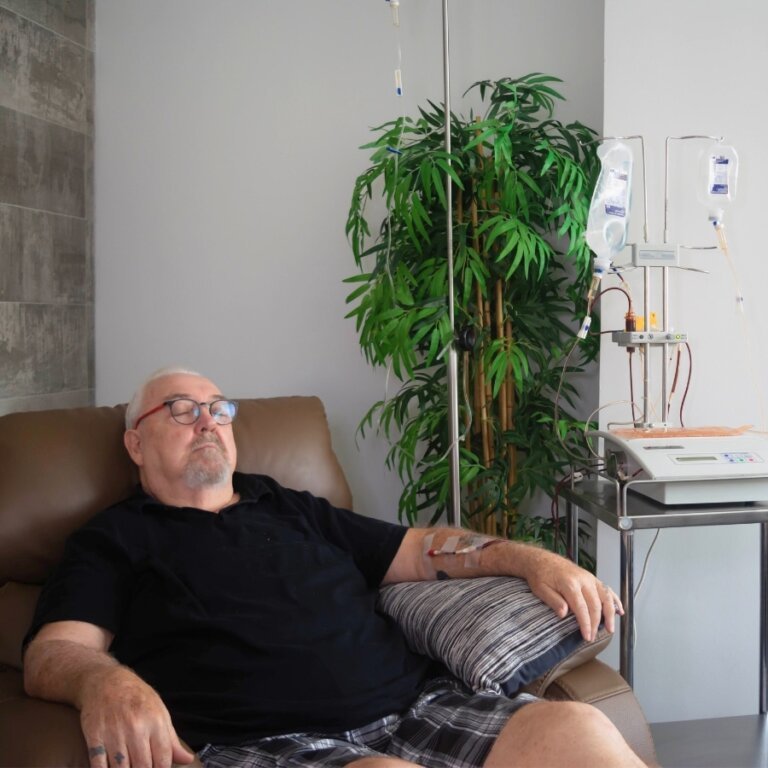
Plasmapheresis Treatment
Plasmapheresis by Nanomembrane Technology Experience safe, comfortable, and painless blood cleansing https://youtu.be/wXWN6949Ofg Having trouble playing this video? Watch it on YouTube Plasmapheresis Treatment Promote natural healing When you’re sick from disease, your blood’s plasma may contain antibodies that attack the immune system and prevent it from protecting your body properly. If this is the case, then plasmapheresis treatment may help. Plasmapheresis helps
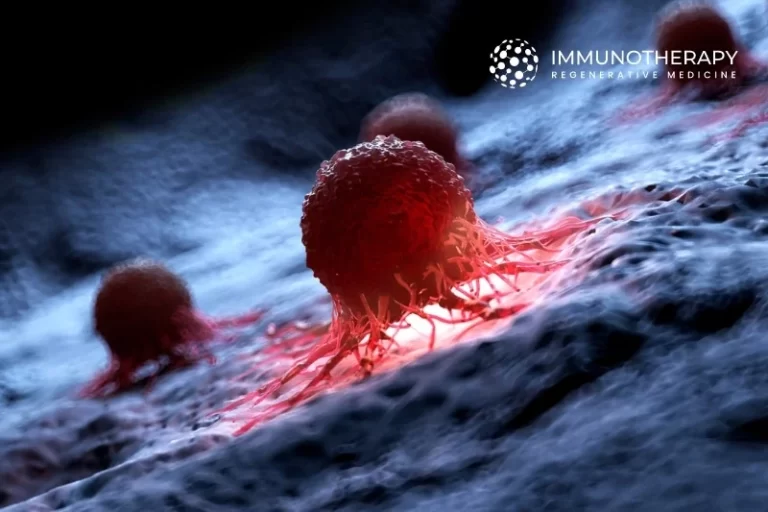
Alternative cancer treatments
Cancer Treatments in Mexico Cancer Immunotherapy Clinic What is Cancer? Our DNA is codified to multiply the cells in order to create tissues. In an optimal state, these cells and tissues grow, work, and behave perfectly; the cells are also programmed to grow old and eventually die, replaced with new and healthy cells. However, encoded mutations in the DNA may